Coffee Machine Industry: Innovations Shaping Modern Coffee
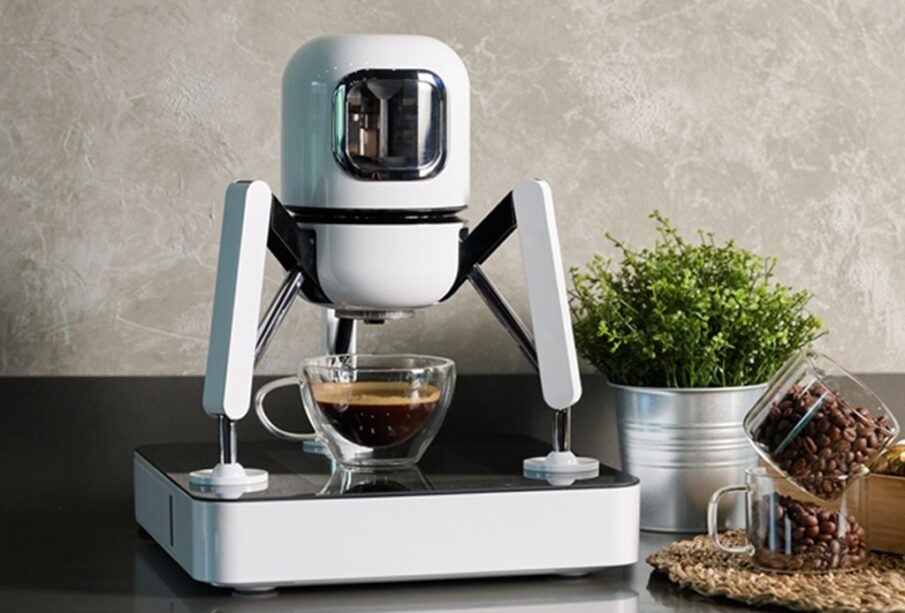
The coffee machine industry is in the midst of a technological renaissance, with innovations emerging at a pace that is transforming how coffee is brewed, served, and experienced across the world. From artificial intelligence that learns your taste preferences to sustainable engineering that minimises waste, the machines of today bear little resemblance to their predecessors. These innovations are not merely incremental improvements – they represent fundamental shifts in what coffee brewing equipment can achieve.
The Innovation Imperative
Consumer expectations have risen sharply over the past decade. The specialty coffee movement educated millions of drinkers about extraction ratios, grind consistency, and origin characteristics. Armed with this knowledge, they demand more from every machine they encounter – whether in a cafe, an office, or their own kitchen. Manufacturers that fail to innovate risk irrelevance in a market where yesterday’s premium feature becomes tomorrow’s baseline.
This pressure has produced a golden age of engineering creativity. Research and development budgets across the industry have increased significantly, with leading firms dedicating upwards of eight per cent of revenue to innovation. The results are visible in every category, from entry-level home brewers to the most sophisticated commercial espresso machines.
Breakthrough Technologies Changing the Game
Adaptive Brewing Algorithms
The most consequential innovation in recent years is the introduction of adaptive brewing algorithms. These software systems analyse dozens of variables in real time – water temperature, flow rate, pressure, and extraction time – and make micro-adjustments throughout the brewing cycle. The result is a level of consistency that even the most skilled barista would struggle to replicate manually across hundreds of cups.
Some coffee machine models now incorporate feedback loops that learn from each brew. If a particular batch of beans produces slightly under-extracted results at standard settings, the algorithm adjusts parameters for subsequent cups. This self-correcting capability ensures optimal quality regardless of variations in bean age, roast profile, or ambient conditions.
Ceramic and Hybrid Grinder Technology
Grinding innovation has advanced dramatically. Traditional steel burr grinders generate heat through friction, which can alter the flavour profile of freshly ground beans. Ceramic burrs address this issue by operating at lower temperatures, preserving volatile aromatic compounds that contribute to coffee’s complexity.
Hybrid grinder systems combine the durability of steel with the thermal advantages of ceramic, offering:
- Extended burr life, often exceeding 20,000 cycles before replacement
- Consistent particle size distribution across all grind settings
- Quieter operation, a significant benefit in office and hospitality environments
- Reduced static, minimising ground coffee retention in the grinding chamber
“The grinder is the unsung hero of any coffee setup,” remarks Kenneth Ng, Head Barista and Coffee Consultant at a specialty roastery in Singapore. “These new hybrid systems have closed the gap between commercial and artisan grinding quality.”
Thermal Stability Systems
Temperature stability during extraction is critical to coffee quality. Even a two-degree variation can produce noticeably different results. Modern bean-to-cup machines employ dual-boiler or thermoblock systems with PID controllers that maintain water temperature within a fraction of a degree. Some premium models use saturated group heads – brass components heated by direct contact with the boiler – to ensure that every surface touching the coffee is at the precise target temperature.
Sustainability-Driven Innovation
The environmental impact of coffee consumption has become impossible to ignore, and the coffee machine industry has responded with genuine engineering solutions rather than superficial gestures.
Energy Recovery Systems
Advanced commercial machines now incorporate energy recovery technology that captures heat from spent brewing water and uses it to pre-warm incoming water. This closed-loop approach reduces energy consumption by up to 30 per cent in high-volume environments – a meaningful saving for businesses operating barista machines throughout a full service day.
Zero-Waste Brewing
Some manufacturers have developed brewing chambers that extract maximum flavour from coffee grounds while producing a compact, dry puck that is easier to compost. These systems reduce water usage per cup by approximately 15 per cent compared to conventional designs. Combined with biodegradable filtration components, they offer a genuinely lower-impact brewing process.
Modular and Repairable Design
The right-to-repair movement has influenced machine design philosophy. Leading manufacturers now build modular coffee brewing systems where individual components – pumps, grinders, control boards – can be replaced independently rather than requiring entire unit replacement. This approach extends machine lifespan, reduces electronic waste, and lowers long-term ownership costs.
Digital Integration and User Experience
Touchscreen interfaces have become standard on commercial machines, but the latest generation goes further. Gesture controls, voice activation, and near-field communication allow users to interact with machines in intuitive, frictionless ways. In Singapore’s tech-savvy market, these features resonate strongly with consumers who expect digital sophistication from every device they encounter.
Mobile applications linked to coffee machines enable users to place orders remotely, customise drink parameters, and even pay before arriving at the machine. For office environments, this capability reduces queuing time during peak periods and provides valuable data on consumption patterns that inform purchasing decisions.
Looking Forward: What Comes Next
The pace of innovation shows no sign of slowing. Emerging technologies on the horizon include ultrasonic extraction methods that could brew coffee in seconds rather than minutes, machine vision systems that assess crema quality in real time, and blockchain-based bean traceability that connects every cup to its origin farm.
For businesses and consumers in Singapore, these innovations represent an opportunity to experience coffee at its finest. Partnering with a provider that stays at the forefront of these developments ensures access to the latest technology and the expertise to deploy it effectively. The future of the coffee machine industry belongs to those who embrace innovation as a continuous commitment rather than a one-time investment.