Coffee Quality at the Push of a Button: What Actually Influences the Cup?
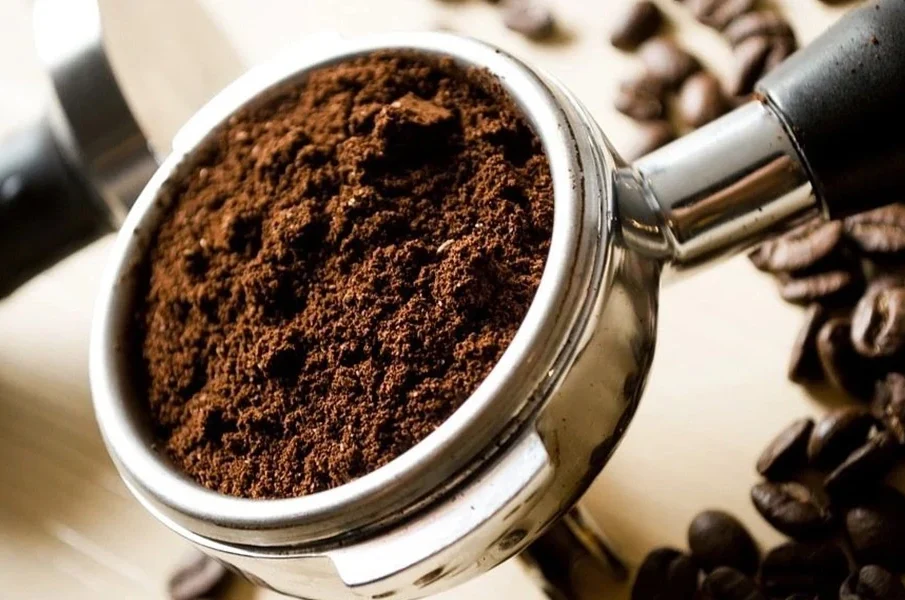
One-touch operation can create the impression that coffee quality is automatic too.
In reality, a coffee bean machine controls a set of variables consistently. It still depends on appropriate settings and good ingredients.
When those are right, automation can reproduce an enjoyable drink again and again. When they’re wrong, it can reproduce the same disappointing drink just as consistently.
Coffee beans set the starting point
The coffee beans establish the flavour potential available to the machine.
Roast, blend and freshness influence aroma, body, acidity and flavour.
There is no single bean that suits everyone. Chocolate, nutty and caramel characteristics often have broad appeal, while brighter coffees may work particularly well for people who prefer black drinks.
Choose according to the audience and menu rather than simply buying the darkest or most expensive option.
Grind influences extraction
Grind determines how water interacts with the coffee.
If the grind is inappropriate for the recipe, the resulting drink can become weak, sharp, bitter or unbalanced.
Automatic machines manage grinding for the user, but many still allow adjustment.
Make changes gradually and follow the manufacturer’s instructions. Depending on the grinder design, several drinks may need to be produced before an adjustment is fully reflected.
Dose and cup size need to work together
A small dose of coffee stretched into a large cup is unlikely to taste strong simply because the machine calls the drink an americano.
Coffee quantity and water volume should be considered together.
Programme recipes around the cups actually used in the workplace or venue.
Strength controls can provide personalisation, but if nearly everybody selects the strongest option, the standard recipe may deserve review.
Water matters
Coffee consists largely of water, so water quality affects the finished drink.
It also influences scale formation inside equipment.
Where filtration is recommended, use the correct system and replace filters according to schedule.
Don’t assume any particular type of water is automatically better. Follow the manufacturer’s guidance and take local conditions into account.
Milk changes perceived coffee strength
Adding milk changes both flavour and total drink volume.
A coffee that works beautifully as an americano may feel too delicate in a large latte.
Test milk drinks using the cup sizes actually served.
Milk temperature matters too. Excessive temperature can negatively affect flavour, while inappropriate volumes can overwhelm the underlying coffee.
Alternative milks should also be tested rather than assuming they behave identically to dairy milk.
Cleaning affects flavour
If a coffee bean machine gradually starts producing less enjoyable drinks despite using the same ingredients, maintenance should be investigated.
Old coffee oils and grounds can create stale or bitter flavours, while milk residue can affect hygiene and taste.
Complete daily and periodic cleaning according to the manufacturer’s instructions.
Cleaning isn’t merely about protecting the equipment; it’s part of maintaining drink quality.
Storage affects freshness
Even good coffee beans can disappoint when stored badly.
Keep unopened stock sealed away from excessive heat, moisture and direct sunlight.
Don’t use the machine hopper as long-term storage. Fill it according to expected consumption and keep reserve stock protected until required.
Businesses buying larger quantities should make sure the savings from bulk purchasing don’t result in excessively slow stock turnover.
Judge the finished drink
Coffee should ultimately be assessed in the format people actually consume.
If most customers drink cappuccino, taste the cappuccino. If office employees overwhelmingly choose americano, use that as a regular quality check.
A demonstration espresso can reveal useful information, but it isn’t the entire customer experience.
Periodically tasting the core menu is a simple way to catch gradual changes.
Change one thing at a time
When a drink isn’t right, resist changing beans, grind, dose and water volume simultaneously.
Start with the most likely cause, make one controlled adjustment and taste again.
This creates a clear relationship between the change and the result.
For commercial environments, record successful settings so the machine can be returned to a known standard after maintenance or accidental changes.
Practical quality checklist
• Keep the bean consistent during testing
• Confirm grind setting
• Check programmed coffee dose
• Match water volume to cup size
• Maintain water filtration
• Test black and milk drinks separately
• Check milk temperature
• Complete cleaning schedules
• Store beans correctly
• Change one variable at a time
Final thoughts
Automatic coffee quality isn’t determined by one component.
The coffee beans, grind, dose, water, milk, cleaning and cup size all contribute.
The advantage of a coffee bean machine is its ability to repeat well-designed recipes with very little effort from the user.
Get the underlying recipe and routine right, and automation can protect consistency rather than merely providing convenience.
Frequently asked questions
Why does automatic coffee taste weak?
Possible causes include too much water for the coffee dose, coarse grinding, a mild bean profile or excessive milk volume.
Can cleaning really change coffee flavour?
Yes. Old coffee oils, grounds and milk residue can introduce unpleasant flavours and may also affect machine performance.
Should I keep changing beans to improve the coffee?
Not initially. Stabilise the recipe and maintenance routine first so different beans can be compared under consistent conditions.