The Art of Pan-Asian Fusion: How Modern Techniques Meet Traditional Flavors
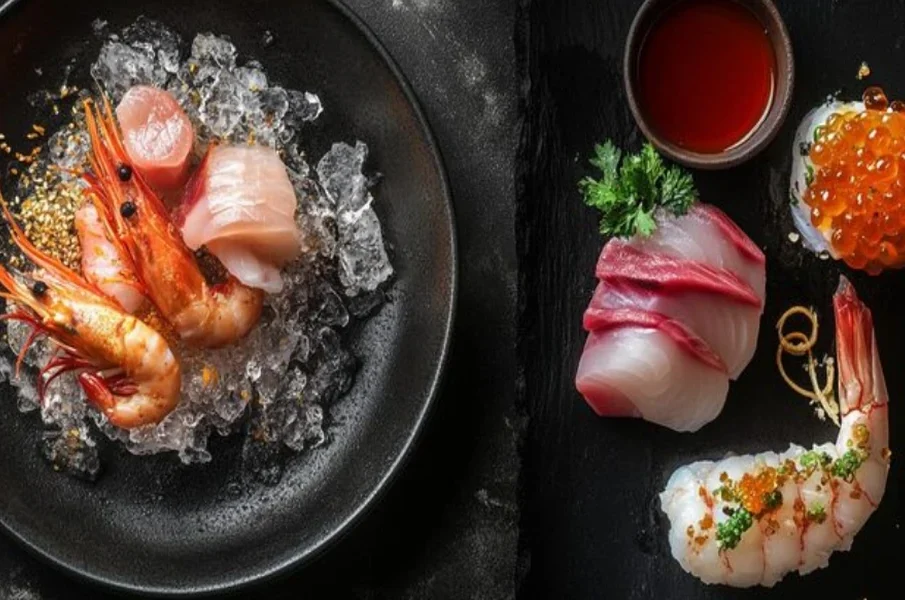
Pan-Asian fusion is more than mixing foods from different countries on one plate. When done well, it respects traditional flavors while using modern cooking ideas to create something fresh.
That is one reason this style of dining has become popular among people searching for the best restaurants in St. Pete. Guests want familiar tastes, but they also enjoy a surprise. A classic sauce may be paired with a new ingredient. The food feels recognizable, though not completely expected. That small surprise can make dinner memorable.
What Does Pan-Asian Fusion Mean?
Pan-Asian fusion brings together ingredients and cooking styles from several parts of Asia. These may include Japanese, Korean, Chinese, Thai, Vietnamese, Filipino, or other regional influences.
The goal is not to place random flavors together. That usually does not work.
A thoughtful dish may use Japanese miso with vegetables, Korean chili paste in a glaze, or Thai herbs with seafood. The ingredients should support each other instead of fighting for attention.
I think that is where the skill appears. A dish can include several influences and still taste clear and balanced.
Traditional Flavors Come First
Modern techniques matter, but traditional flavors often provide the foundation.
Soy sauce, ginger, garlic, sesame, rice vinegar, coconut milk, chili, citrus, and fermented ingredients are common across many Asian kitchens. Each one can add saltiness, sweetness, heat, freshness, or depth.
They are connected to family recipes, local markets, and cooking methods passed down through generations.
A chef creating fusion food should understand those roots. Without that knowledge, the dish may look creative but taste confused.
Respecting tradition does not mean copying every recipe exactly. It means knowing why the original dish works before changing it.
Modern Techniques Change Texture
Modern cooking often focuses on temperature, texture, timing, and appearance.
A familiar ingredient may be smoked, slow-cooked, flash-fried, or prepared at a controlled temperature. Sauces may become light foams, glazes, or small dots on the plate.
This can make a traditional flavor feel new.
For example, slow-cooked meat may keep the same sweet and savory seasoning but become more tender. A crispy topping may be added to soft noodles for contrast.
Some techniques sound fancy. Guests should not need a cooking lesson before taking the first bite.
Fresh Ingredients Help Flavors Stand Out
Pan-Asian fusion depends on fresh ingredients.
Seafood, vegetables, herbs, rice, noodles, and fruit often play important roles. Fresh ingredients usually need less heavy seasoning.
Florida seafood and seasonal produce can inspire local versions of Asian dishes. The best restaurants in St. Pete may pair local fish with an Asian-style marinade or tropical fruit with spicy sauces.
Local ingredients are not always better. But when chosen carefully, they can add something special.
Balance Is More Important Than Complexity
Fusion food can become too complicated.
A dish with several sauces, many garnishes, and too many strong flavors may look impressive. Then you taste it, and nothing stands out.
Good Pan-Asian fusion usually has a clear main idea. It may balance sweet with salty, spicy with cooling, or rich with acidic.
One part should not overpower everything else.
This balance appears in many Asian food traditions. Rich meat may come with pickled vegetables. A spicy dish may include fresh herbs or mild rice.
Modern chefs can build on these ideas without making the plate feel crowded.
Sharing Makes the Meal More Enjoyable
Many Pan-Asian menus are designed for sharing.
Guests can order dumplings, grilled skewers, sushi, noodles, vegetables, and larger dishes for the table. This lets everyone try several flavors during one meal.
People talk about which dish they liked best. Someone may discover a new ingredient. Another person may order the same thing every time, which is fine too.
For groups and date nights, sharing keeps the meal moving at a relaxed pace.
Presentation Supports the Experience
Clean plates, bright colors, small garnishes, and careful spacing can make food look inviting. But presentation should still feel natural.
A plate should not be so carefully designed that guests are afraid to touch it.
The best restaurants in St. Pete understand that presentation supports the food. It does not replace taste or portion size.
When the plate looks thoughtful and the flavors work together, guests remember the full experience.
Tradition and Creativity Can Work Together
Pan-Asian fusion succeeds when tradition and modern ideas are treated as partners.
Traditional ingredients provide flavor and meaning. Modern techniques can improve texture, presentation, and surprise.
Neither side has to disappear.
The strongest dishes often feel simple after the first bite, even when they took a lot of planning. You recognize something familiar, then notice a small change.
That is the art of Pan-Asian fusion. It respects where the food came from while allowing it to grow in a new direction.
This post was written by a professional at Fortu. Fortu stands out among the top Restaurants St Petersburg FL, offering an elevated Pan-Asian dining experience in the heart of St. Petersburg, Florida. Celebrating Asia’s vibrant and diverse culture, Fortu introduces bright and bold flavors to a bright and bold city with a menu of locally and sustainably sourced options, from small bites to hearty delicacies. Whether winding down from a beach day or celebrating a special occasion, guests can enjoy a lush, alluring atmosphere and an authentic taste of Asia’s divine cuisine at one of the finest Asian Restaurant St Pete.