Traditional Thai Culinary Heritage Expressed Through Refined Multi-Course Dining Creations
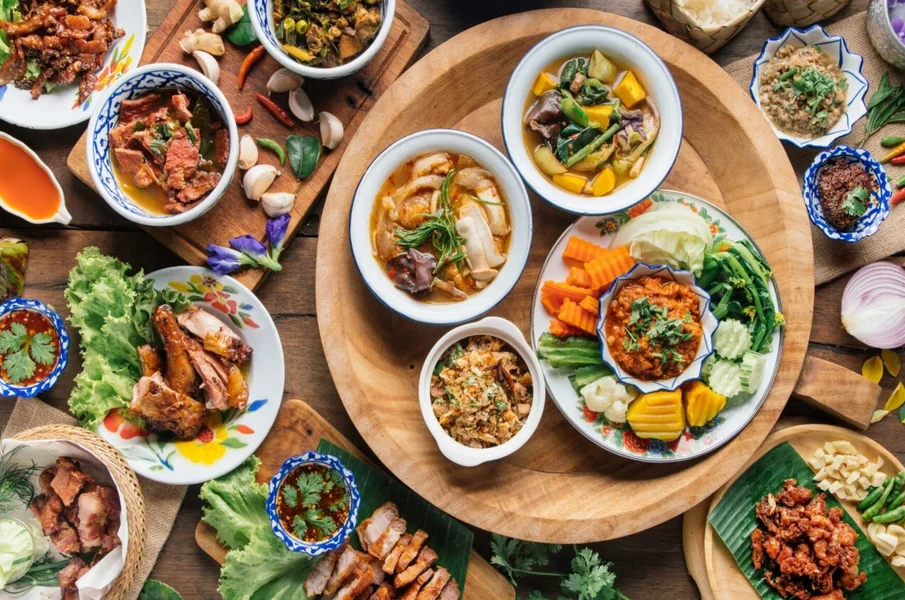
Thai cooking carries generations of knowledge in its dishes, its presentation and its everyday kitchen practices. A multi-course meal lets guests experience these cultural values through traditional cooking methods. Each course brings its own mix of taste, texture and technique. A well-structured fine dining restaurant menu bangkok lets guests appreciate these traditions in a refined setting.
Preserving Traditional Cooking Values
Traditional Thai cooking reflects knowledge handed down from one generation to the next. Experienced cooks keep these methods alive while paying close attention to ingredient quality and presentation. Their work protects cultural identity through well-balanced flavours. Each course connects to older customs while meeting the standards guests expect today, which keeps traditional cooking relevant in modern dining.
- Traditional preparation methods keep familiar cultural qualities intact.
- Fresh ingredients give flavours a natural balance.
- Skilled cooks carry forward techniques learned over generations.
- Measured seasoning brings harmony to each dish.
- Cultural customs shape the presentation of every course.
Creating Balanced Course Arrangements
In a well-planned menu, every course has a clear role. The meal opens with lighter dishes and moves gradually toward richer flavours, so one course leads naturally into the next. A fine dining restaurant menu bangkok presents traditional influences through thoughtfully selected pairings that create a balanced and enjoyable meal from start to finish.
Portion size and presentation also matter, so guests can enjoy every course without feeling overwhelmed. Traditional influences show in the preparation styles and ingredient pairings. This planning gives the meal a steady pace while respecting established culinary customs.
Celebrating Cultural Preparation Methods
Preparation methods are central to Thai culinary identity. Cooks rely on well-practised skills to build distinctive flavours through familiar processes. Grinding, steaming and slow cooking all demand patience and focus. These practices keep the character of traditional cooking intact, while refined presentation adds to them rather than replacing them.
- Fresh herbs add natural fragrance to each dish.
- Traditional grinding releases distinctive aromas.
- Slow cooking gives ingredients time to develop deeper flavours.
- Skilled seasoning keeps each course in balance.
- Artistic plating shows the care behind each dish.
Refining Presentation And Details
Presentation adds character to traditional dishes. The placement of ingredients, the choice of serving vessels and the decorative touches all show the intent behind each plate. Skilled cooks avoid overly complex designs and use clean arrangements that highlight the food’s natural qualities. Each plate gets close attention, so it looks appealing while staying true to its cultural roots.
Maintaining Culinary Heritage
Preserving traditional culinary knowledge depends on experienced cooks and the generations that follow them. Teaching established techniques helps younger professionals understand why cultural customs matter. They can also bring new presentation ideas while respecting familiar methods. This balance keeps traditional values relevant as expectations change.
Restaurants can support this effort in practical ways:
- Train new cooks in established preparation techniques on a regular basis.
- Choose seasonal ingredients that suit traditional flavour pairings.
- Share cultural stories through well-written menu descriptions.
- Keep standards consistent across every course.
- Encourage creative presentation without altering traditional cooking values.
Traditional culinary heritage stays meaningful when its knowledge is properly cared for. Skilled preparation and considered presentation together make dining occasions memorable. Respecting established customs while staying open to new ideas keeps these traditions part of modern hospitality.